Executive Summary
Axion Solutions has been contracted by Natural England to facilitate a critical environmental governance initiative: the establishment of the New Forest South Deer Management Group (DMG). This project is a central component of the Deer Protected Sites Strategy (PSS), which seeks to mitigate complex environmental pressures—specifically deer impact and human recreation—on protected sites within the New Forest.
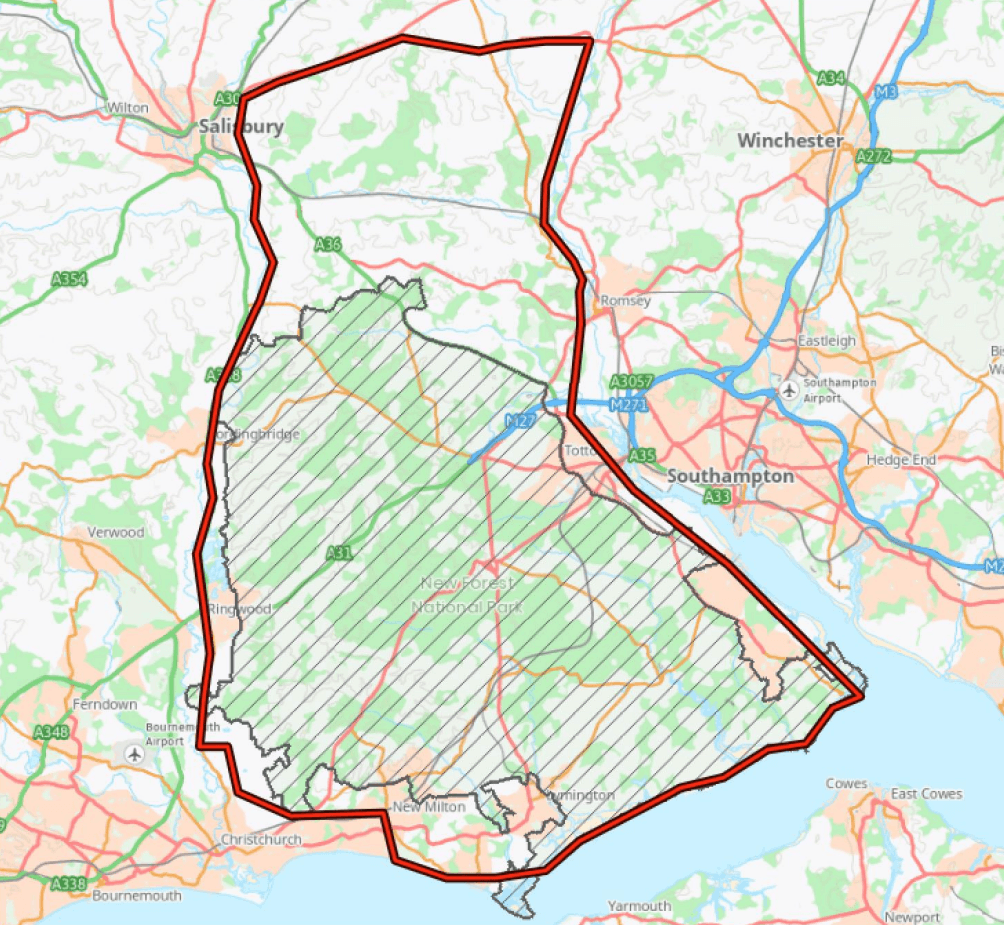
The primary mission is to replicate the collaborative success of the New Forest North DMG by organizing all landowners south of the A31 into a cohesive, self-governing unit. This initiative recognizes that because deer are a mobile, "landscape-scale" resource (moving across property boundaries), effective management cannot be achieved by individual landowners acting in isolation. Axion Solutions serves as the intermediary or "bridging organization," tasked with reconciling diverse stakeholder interests—from agricultural damage control to recreational hunting—to ensure the long-term health of the New Forest ecosystem.
Policy Context
The contract is situated within a significant shift in UK and international environmental policy toward integrated ecosystem-based management.
- Statutory Role vs. Voluntary Action: Natural England has a statutory duty to maintain the biodiversity of protected sites. However, policy heavily favors voluntary deer control agreements over mandatory intervention. This is because state mandates can damage trust and lead to "anti-agency" sentiment, whereas voluntary collaboration fosters long-term "buy-in".
- The "Scale Mismatch": Legislation recognizes a fundamental mismatch: deer are res nullius (belonging to no one), yet land tenure is fragmented. Policy now encourages "nested governance," where local DMGs interact with higher-level agencies to align ecological boundaries with administrative ones.
- Evolving Objectives: Deer management has moved away from 1950s-era "noxious" pest control toward a holistic vision that includes nature recovery, carbon sequestration, and public safety (such as reducing road traffic accidents).
Methodology: Research, Data Collection, and Outreach
The methodology employed by Axion Solutions is rooted in active adaptive management, which emphasizes collaborative learning as a prerequisite for technical ecological action.
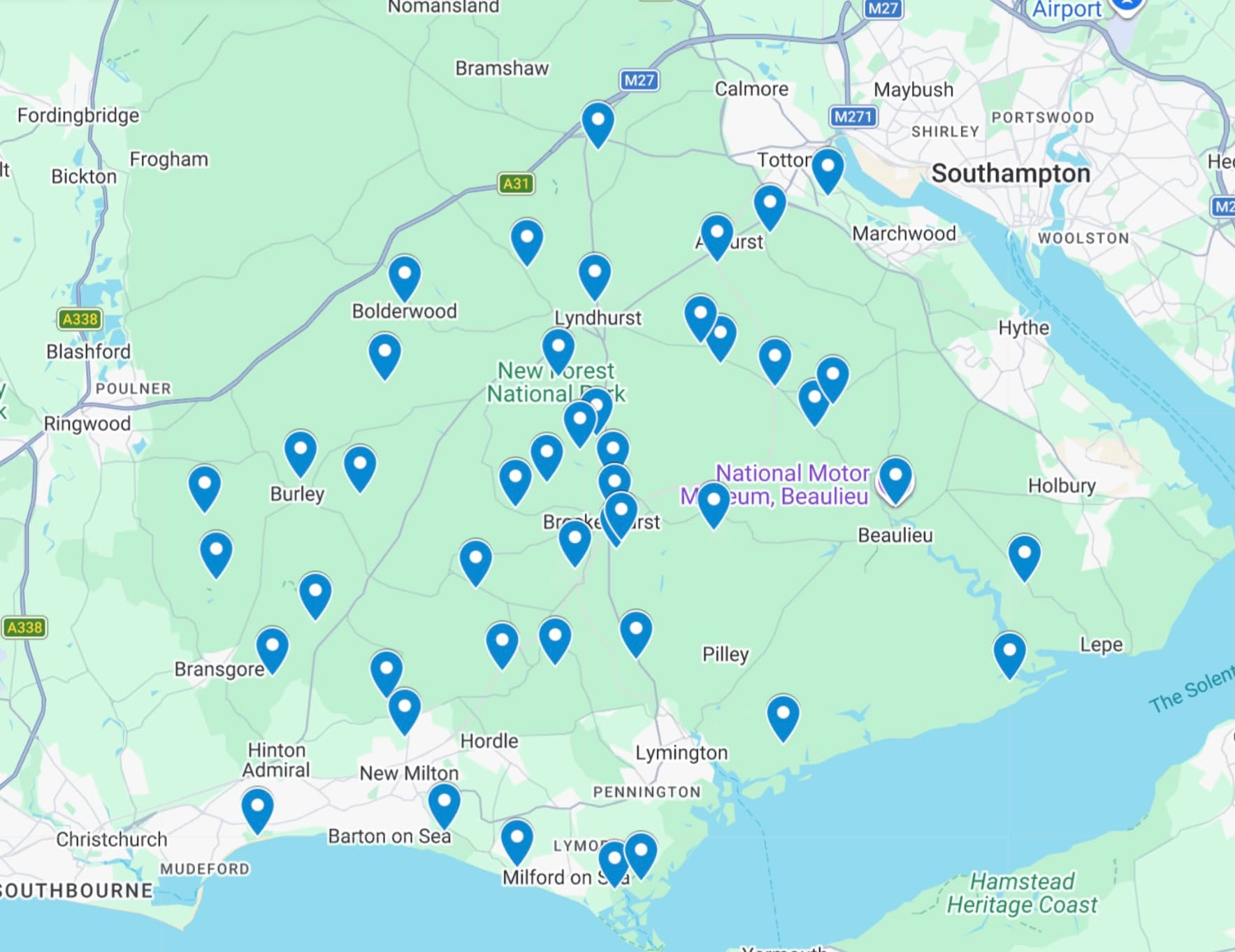
- Stakeholder Identification & Mapping: Utilizing HM Land Registry (HMLR), Google Maps, and LinkedIn, Axion identified approximately 70 key landholders and 90 specific sites within the project area. This database categorizes owners ranging from farmers and large estate managers to public bodies and activity centers.
- Outreach & Recruitment: The strategy uses a phased approach. It begins with a mass outreach email designed to secure informed consent, followed by individualized phone calls and "snowball engagement," where early participants suggest neighboring contacts.
- Data Collection Framework:
- Qualitative: Semi-structured interviews and "learning groups" are used to develop "rich pictures"—conceptual models that map how stakeholders perceive the interactions between deer, forest condition, and human activity.
- Quantitative: Axion collates cull returns, aerial surveys, and habitat impact assessments.
- Technical Integration: A key methodological innovation is the use of an Interactive Graphical User Interface (GUI) within a Geographic Information System (GIS). This allows field knowledge from local foresters to be integrated directly into population models, ensuring the science is "grounded" and more acceptable to the community.
- Ethical Rigor: All human data collection is overseen by the Natural England Research Ethics Committee (NEREC), ensuring compliance with UK GDPR and the Government Social Research (GSR) principles regarding privacy and non-discriminatory practices.
Challenges
Axion Solutions must navigate several documented social and ecological barriers:
- Divergent Stakeholder Motivations: Research indicates a split in landowner priorities: approximately 70% hunt for enjoyment and meat, while only 30% focus on damage control. Reconciling these groups into a single management plan requires careful negotiation.
- Transaction Costs: Collaboration requires a heavy investment of time, money, and social capital. Many landowners are cautious because the costs of attending meetings and sharing data often fall on the individual, while the benefits (like biodiversity) are "public goods".
- Mistrust of Science: Traditional land managers may feel disenfranchised by scientific models that use technical language (e.g., Latin species names). There is a risk that they perceive science as a tool for state coercion rather than a helpful management aid.
- Social Connectivity: Satisfaction with management often drops as the scale increases. Landowners are generally satisfied at the "hunting field" level but feel disconnected from "municipality-level" decisions.
Strategy: The Axion Solutions Approach
The strategy focuses on building social capital as the foundation for ecological success.
- Creating "Space": Axion creates a permissive environment that allows relationships to grow naturally rather than imposing a formal, legalistic structure from the outset.
- Bridging Organization: As an independent consultancy, Axion lowers transaction costs by handling the administrative burden (secretariat functions) and facilitating communication between the state and private owners.
- Collaborative Co-Design: Stakeholders are invited to co-produce the DMG's Terms of Reference and Constitution, and even the group's final name, to foster a sense of ownership.
- Integrating Local Knowledge: By valuing experiential "field knowledge" alongside technical data, the strategy reduces the "expert-layman" tension.
- Bespoke Support: To demonstrate immediate value, Axion provides tailored assistance, such as helping with night license applications or coordinating cull activities between neighboring holdings to improve efficiency.
Project Foresight
As the project is currently in the establishment and description phase, its success depends on maintaining forward-looking momentum through several key transitions.
- Evolution of Role Clarity: It is anticipated that initial stakeholder anxiety regarding roles will decrease as the group moves from identifying problems to implementing actions.
- Emerging Vision: A primary goal for the remaining term is the co-production of a shared vision for a sustainable deer population. This vision will act as the "glue" to sustain cooperation after the initial contract ends in March 2026.
- Transition to Action: The group is expected to move from mapping holdings to active population modeling and coordinated landscape-scale culls.
- Institutional Alignment: Foresight suggests the DMG will evolve into a stable "learning group," where different perspectives are valued and members are empowered to meet statutory obligations voluntarily.
- Future Scope: The groundwork laid now is intended to support the Strategic Action Plan, with potential contract extensions to oversee long-term capital equipment purchases and training.
Key Lessons Along the Way
- Non-Standardized Progress: Collaborative groups develop at different rates; practitioners should avoid expecting standardized progress through project steps.
- Trust Over Incentives: In contexts where hunting income is low, social networks and "small wins" are more powerful motivators than direct financial payments.
- The Power of Mapping: Transitioning from text-based plans to participatory GIS mapping is a highly effective way to coordinate management across boundaries.
- Neutral Facilitation: The presence of an independent intermediary is essential to mediate the inherent science-management tensions.
Project Gallery