Executive Summary
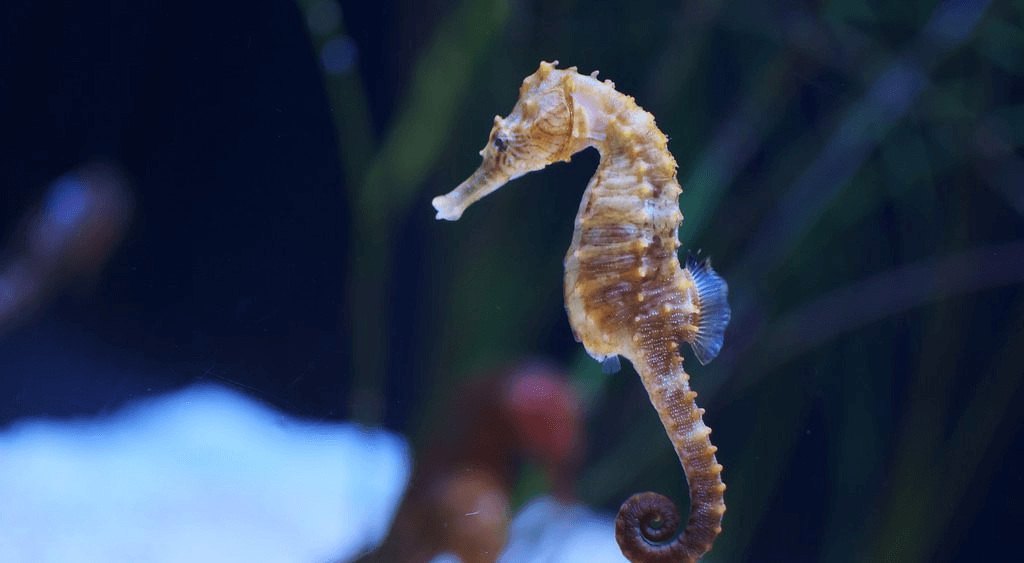
Axion Solutions was commissioned by Natural England to deliver a critical habitat enhancement project within the Sussex Marine Conservation Zones (MCZs). The project involved the construction and strategic deployment of artificial habitats, known as "Seahorse Hotels," designed to support the recovery of the protected short-snouted seahorse (Hippocampus hippocampus).
This project forms the third phase of a wider recovery strategy, transitioning from feasibility and pre-deployment surveys into active physical intervention. Axion delivered a robust, repeatable methodology that ensured:
• Precision Manufacture: Construction of nine (with an option for 15) galvanised mesh hotels, weight-tested to 40kg for seabed stability.
• Scientific Diving Operations: High-accuracy deployment by HSE-qualified scientific divers across pre-selected sites within Sussex MCZs.
• Spatial Infrastructure: Geo-referenced positioning and comprehensive photographic evidence to support future monitoring and habitat expansion.
The result is a foundational spatial asset that allows Natural England to mitigate the risks of accidental bycatch and provide essential refuge in areas of high potting intensity.
Strategic and Policy Context
Short-snouted seahorses are listed as a species of principal importance under Section 41 of the NERC Act (2006). Despite their protected status and presence within the Beachy Head West (designated 2013) and Beachy Head East (designated 2019) MCZs, baseline data regarding their ecological interactions has historically been limited.
Maintaining the health of these MCZs requires strict adherence to statutory requirements, including:
• The Diving at Work Regulations 1997: Governing the safety and conduct of all underwater operations.
• Marine Management Organisation (MMO) Licensing: Ensuring all physical deployments on the seabed meet strict environmental and navigational standards.
Axion served as the delivery partner capable of translating these regulatory requirements into a safe, evidence-based field operation.
The Challenge: Enhancing Habitat in High-Pressure Marine Environments
The project addressed the complexities of establishing artificial infrastructure in a dynamic and highly utilised marine estate.
• Environmental Stability: Early trials indicated that original 18kg structures were prone to movement; Axion had to ensure all hotels were built to a 40kg specification to withstand seabed currents and ensure they remained flush with the sea floor.
• Data Scarcity: Reliance on anecdotal evidence from the local fishing community and limited sightings necessitated a high degree of precision in site selection and georeferencing to build a reliable evidence base.
• Logistical Complexity: Operations required coordination between commercial divers (RS Divers), boat charters (Channel Diving), and regulatory bodies while navigating narrow tide windows and weather dependencies.
• Site Suitability: Initial site selections were refined following field observations; for instance, some sites were deemed unsuitable due to the presence of chalk gulleys, requiring rapid adjustment of deployment coordinates.
The Project Process: A Structured Delivery Framework
Axion applied a five-activity workflow designed for transparency and scientific rigour.
1. Contract Mobilisation:
◦ Project start-up meeting and Dive Project Plan approval.
◦ Review of Marine Licence conditions and risk assessments.
◦ Finalisation of site coordinates across the Sussex MCZs.
2. Seahorse Hotel Build:
◦ Procurement of galvanised mesh and natural concrete blocks.
◦ Assembly and rigorous weight testing (40kg load) to ensure seabed stability.
◦ Labelling and preparation of 3m nylon tethers and guide ropes.
3. Deployment of Hotels:
◦ Vessel mobilisation from Brighton Marina using a dedicated catamaran.
◦ Deployment via a controlled guide-rope system to ensure hotels settled in precise clusters.
◦ Divers performed underwater checks to ensure all hotels were seated correctly (weighted side flush) and tethered together to prevent drifting.
4. Wash-Up and Stakeholder Debrief:
◦ A post-activity meeting to review diver logs, video footage, and images.
◦ Evaluation of facing problems, such as licensing delays or weather impacts.
5. Final Reporting:
◦ Submission of a comprehensive field report (DOCX) including GPS coordinates and photographic evidence.
◦ Delivery of a methodology statement to allow for future replication of the project.
Quality Assurance and Procedural Rigour
Axion’s QA system ensured that 100% of deployment records were verified against GNSS logs and underwater photography.
• HSE Compliance: All diving was conducted in accordance with the Approved Code of Practice for Scientific and Archaeological Diving.
• Operational Evidence: "Say what you do, do what you say, show evidence" served as the project’s guiding principle, with daily supervisor logs and video footage forming the core of the handover documentation.
• Licensing Rigour: Strict adherence to MMO notifications, including vessel details and timing, ensured the project remained in full legal compliance.
Methodology: Precision Underwater Deployment
The assessment turned theoretical designs into stable marine infrastructure through a specialised "guide-rope and tether" system.
• Controlled Descent: Hotels were lowered off the back of the catamaran in a controlled manner to avoid damage or displacement.
• Cluster Tethering: Once on the seabed, divers unclipped hotels from the guide rope and tethered them together in groups of three using carabiners, creating a unified habitat cluster.
• Geospatial Validation: Coordinates were recorded at three stages (pre-drop, post-anchor, and post-deployment) to ensure the highest possible accuracy for future monitoring.
Project Conclusions: Impact and Learning
The commission successfully transitioned Natural England’s seahorse recovery efforts from survey-based observation to active habitat management.
• Successful Stabilisation: The transition to 40kg structures proved effective for maintaining position on the seabed.
• Refined Site Knowledge: Deployment confirmed that sites must be carefully screened for chalk gulleys and substrate suitability before deployment.
• Framework for Recovery: By delivering a structured methodology and a "procurement-ready" dataset, Axion has provided the model required to expand seahorse hotels across the wider UK MPA network.
Reflections and Long-Term Legacy
The project established a vital temporal benchmark for seahorse conservation in Sussex. By treating the deployment sites as living infrastructure, Natural England now possesses a durable asset that materially supports species recovery.
The legacy of this work is a master spatial dataset and a proven technical methodology that transforms anecdotal sightings into a structured, district-scale ecological intelligence system. This ensures that every future intervention is supported by clarity, purpose, and lasting ecological impact.